planning · Updated
Fly fishing in Finnmark: a travel guide
The overview for planning a fly fishing trip to Finnmark, northern Norway: the season, getting to Alta, trout, grayling and char, sea trout in the fjords, and the weather.
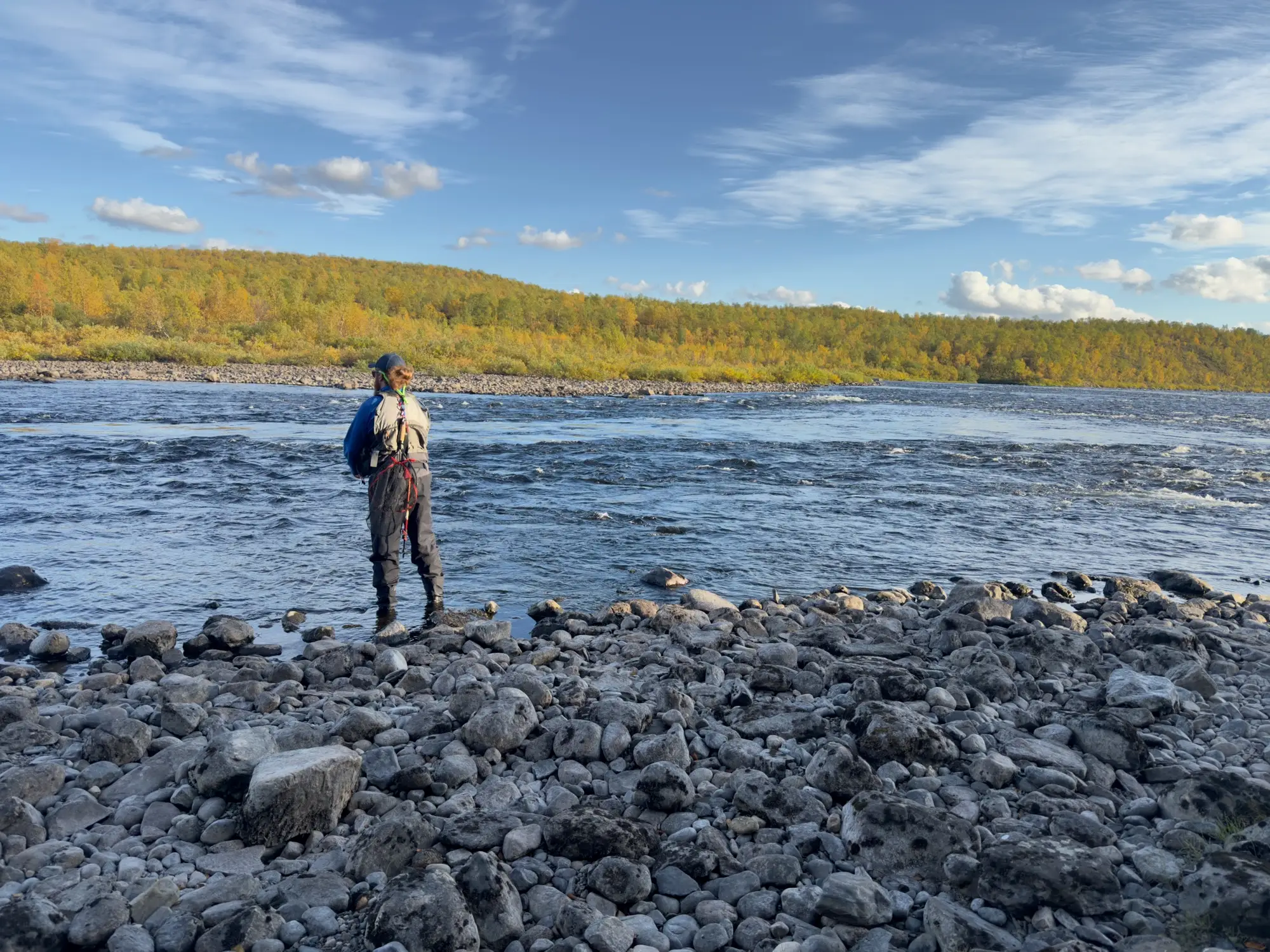
Finnmark is the top of Norway and the top of Europe: a high, open plateau the size of a small country, with wild brown trout, grayling and Arctic char in rivers and lakes most anglers will never hear of, and sea-run trout in the fjords.
This article is the overview for planning a trip. The sections link to deeper articles where they exist, and we add more as we write them.
When to go
The inland season is short and intense: the ice goes in June and the autumn arrives in September.
- Late June: the rivers clear, the first big hatches, and the midnight sun at full height.
- July: high summer: peak dry fly, and peak mosquito.
- August: the nights return, the mosquitos fade, the fishing holds.
- September: autumn colours, cold mornings, and good grayling fishing.
On the coast the order is reversed: May and June are the prime weeks, when the sea trout feed hard along the fjord shallows. That fishing has its own article: sea trout fly fishing in Norway. And for the whole year at a glance, from Patagonia to the Arctic: where to fish, month by month.
Getting there
Fly to Alta (ALF). There are direct flights from Oslo, about two hours. Alta is the hub for the whole region: the fjords are right there, and Kautokeino and the Finnmarksvidda are about two hours south by road.
For the plateau, Kittilä in Finnish Lapland also works: fly in via Helsinki, and it is three and a half to four hours by road to Kautokeino.
Packing the rods for the flights: travelling with fly fishing gear.
The fish, the flies and the gear
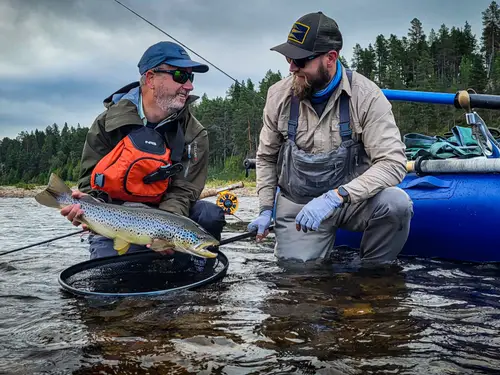
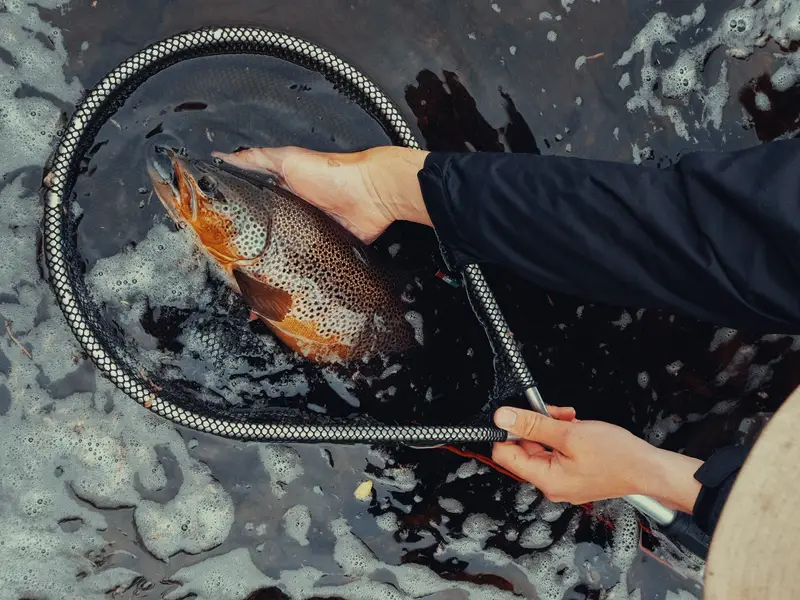
Brown trout are the prize: wild, unstocked river fish holding where the current tightens. Grayling are everywhere and rise all day, well over 40 cm in the better water. Arctic char sit in the colder lakes and come up when the wind drops.
A nine foot 4 to 6 weight with a floating line covers everything. Dries carry the day in summer: caddis, mayflies and black gnats, nothing exotic. Nymphs for the deeper seams, small streamers for the big trout.
Sea trout on the coast
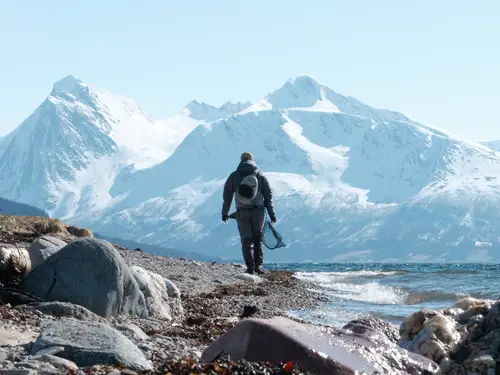
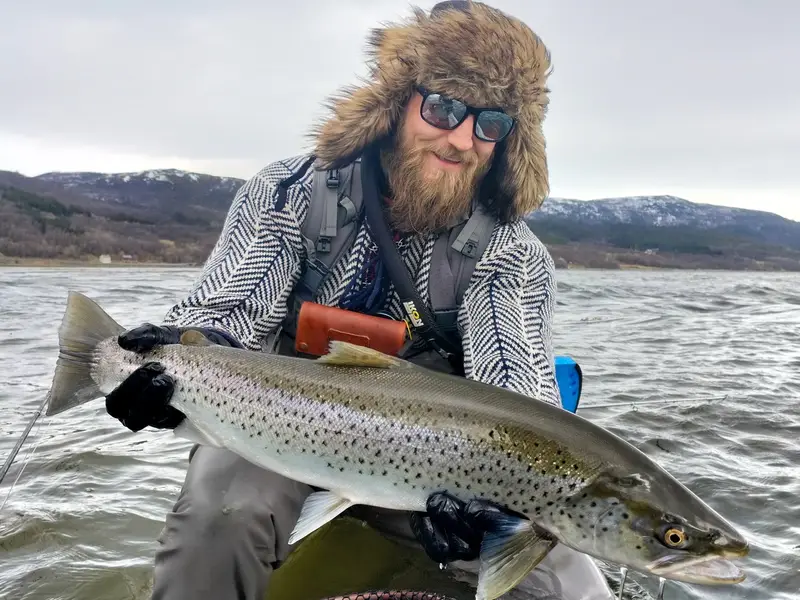
The fjords around Alta hold a different fishery altogether: sea-run brown trout feeding along the shore. In May and June the trout that wintered in the rivers drop down to the fjord, skinny and hungry, and they hunt the kelp-lined shallows for shrimp and small fish. You wade the beaches, no boat needed, and strip a shrimp fly along the weed.
The weather, and the mosquitos
Arctic summer is real summer, 15 to 20 degrees on the good days, but it can get windy. Layers, a proper rain jacket, and a warm hat in the bag even in July.
And yes, the mosquitos in July are the price you have to pay for the midnight sun. They are manageable with the right habits: a head net, long sleeves and a good repellent. By the end of August the mosquitos are gone.
Planning a trip
Want the rivers, the licences and the driving sorted, with a guide every day? That is the Finnmark Trout Week. For the fjords in May and June, see the Arctic Sea Trout Camp. Everything Finnmark is collected on the area page.
Tommi Heinonen · Founder, Kalakamu
I'm Tommi, a Finnish fly fisherman. Lapland and Arctic Norway are my home water. I started Kalakamu to set up the trips I wanted to take myself, here and in Patagonia.
Related reading
Alta, Finnmark, Norway
Arctic Sea Trout Camp
Five nights at a fjord camp near Alta and four guided days for sea-run trout on the Arctic coast. Book the camp for your own group, or join a shared week.
From €1500 / trip →
Kautokeino, Finnmark, Norway
Finnmark Trout Week
A week of wild brown trout fishing on the rivers of the Finnmarksvidda, with grayling and Arctic char alongside. Seven nights in Kautokeino, six days on the water.
From €3450 / week →